You take a sip of iced coffee, or breathe in cold air on a winter morning, and a sharp jolt shoots through a tooth. If that sounds familiar, you’re far from alone. Tooth sensitivity is one of the most common complaints dentists hear, and for most people it shows up out of nowhere, which is exactly what makes it unsettling.
The good news is that sensitivity is almost always a signal you can act on. It’s your tooth telling you something has changed. The trick is knowing which causes are minor and which ones mean you should get in for a look.
What’s Actually Happening When a Tooth Gets Sensitive
Under the hard enamel on the outside of your tooth is a softer layer called dentin. Dentin is full of microscopic channels that lead straight to the nerve. As long as enamel and gum tissue keep that dentin covered, you don’t feel much. When something exposes it, hot, cold, sweet, or acidic things can reach the nerve, and you get that familiar zing.
So most sensitivity comes down to one question: what wore away the protection?
The Usual Suspects
A handful of causes account for the large majority of sensitivity. Here’s what’s typically behind it.
- Brushing too hard. It feels productive, but scrubbing with a stiff brush wears down enamel and pushes gums back, exposing the root. A soft-bristled brush and a lighter touch fix more sensitivity than most people expect.
- Receding gums. As gums pull back with age or from aggressive brushing, the root surface gets exposed. Roots have no enamel, so they’re far more sensitive than the crown of the tooth.
- Acidic foods and drinks. Citrus, soda, wine, and even sparkling water soften enamel over time. Brushing right after eating something acidic, while the enamel is temporarily soft, makes the wear worse.
- Grinding or clenching. Many people grind their teeth at night without knowing it. Over time it wears through enamel and can leave teeth aching and sensitive, often worse in the morning.
- A cracked or chipped tooth. A crack can expose the inner layers and let temperature and bacteria reach the nerve. This one tends to be sharper and tied to a specific tooth.
- A cavity or worn filling. Decay or a failing old filling exposes dentin directly. Sensitivity that’s localized to one tooth and getting worse is worth checking.
- Recent dental work. Sensitivity for a few days after a cleaning, filling, or whitening treatment is normal and usually fades on its own. If it sticks around, the new filling or crown may simply need a small adjustment, which is a quick fix.
When Sensitivity Is Just Sensitivity, and When It Isn’t
A lot of sensitivity responds to simple changes. Switching to a soft brush, easing up on pressure, using a desensitizing toothpaste for a few weeks, and cutting back on acidic drinks will quiet down a good portion of cases. Desensitizing toothpastes work by blocking those channels in the dentin, and they need consistent use over time to do their job, not a one-time application.
But some patterns mean you should stop self-treating and get it looked at:
- Sensitivity in one specific tooth that keeps getting worse
- Pain that lingers for a while after the hot or cold is gone, rather than fading in a second or two
- Sensitivity that comes with visible damage, a dark spot, or a chip
- Throbbing or pain that wakes you up at night
- Sensitivity paired with swelling or tenderness in the gum
Lingering pain that hangs around after the trigger is gone is the one to pay attention to. A quick zing that disappears is usually surface-level. Pain that sticks around can mean the nerve itself is involved, which is a different and more urgent situation. We wrote more about that distinction in our guide to tooth pain when chewing, which covers when an ache points to something deeper.
Why You Shouldn’t Just Tough It Out
It’s tempting to chew on the other side and wait for sensitivity to pass. Sometimes it does. But sensitivity that’s caused by decay, a crack, or gum disease doesn’t resolve on its own, it progresses. The American Dental Association points out that ongoing sensitivity can be a sign of a problem that needs treatment, and catching it early almost always means a simpler fix. A small cavity caught now is a routine visit. The same cavity ignored for a year can become a root canal.
There’s also a comfort argument. You shouldn’t have to plan your day around which side of your mouth you can chew on, or brace yourself before every cold drink. That’s not something to live with.
What a Visit Looks Like
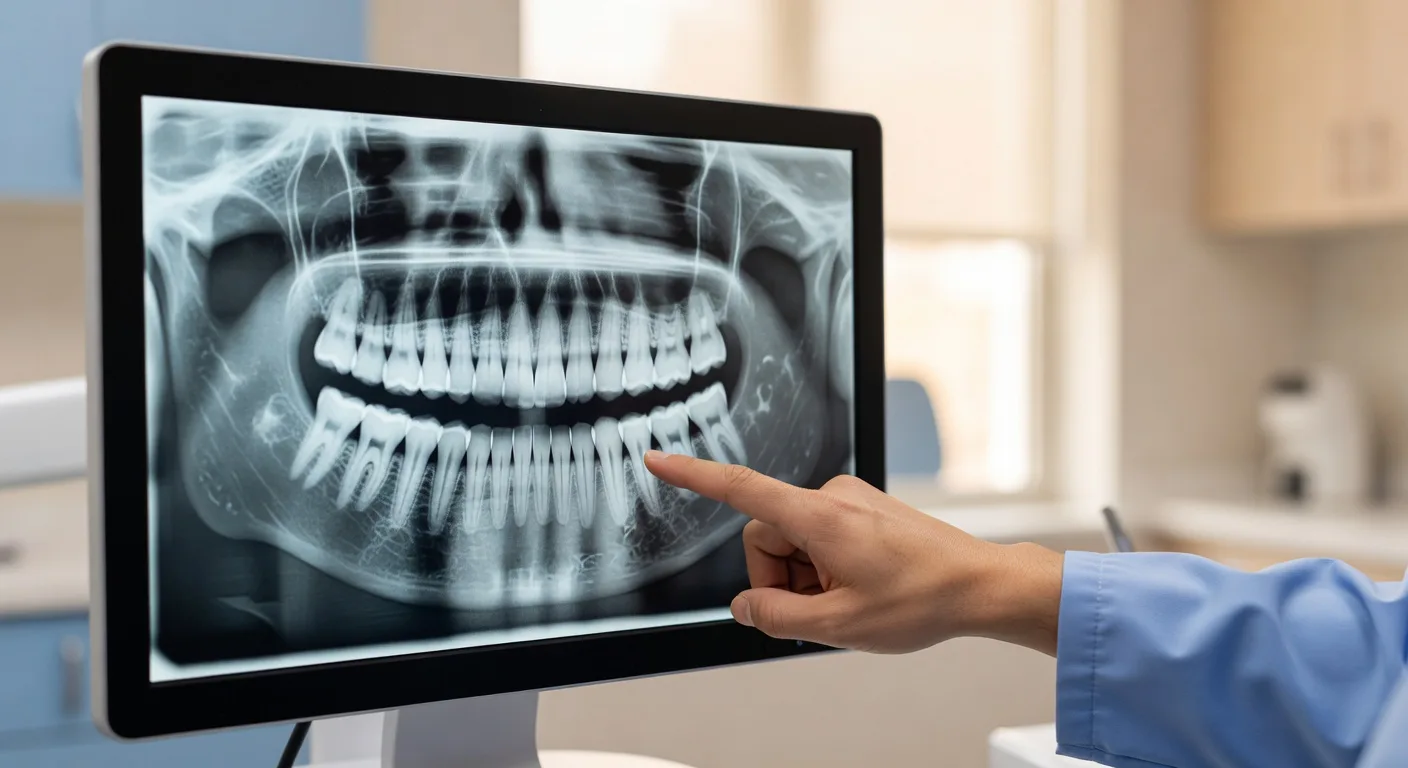
When you come in for sensitivity, the goal is to find the cause, not just mask it. At Cool Creek Family Dental, Dr. Adam Kristoff and Dr. Nikita Mistry will ask what triggers it, check the affected teeth, look at your gums and your bite, and take digital images if needed to rule out decay or a crack. From there you get a straight answer: whether it’s something you can manage at home, or whether there’s an underlying issue to treat.
If it turns out to be grinding, the fix might be a night guard. If it’s a receding gumline, there are ways to protect the exposed root. If it’s a cavity, treating it early keeps it small. The point is that sensitivity has a cause, and the cause is usually fixable once you know what it is.
Frequently Asked Questions
Why did my teeth suddenly become sensitive?
Sudden sensitivity usually means something exposed the dentin under your enamel: brushing too hard, receding gums, an acidic diet, grinding, or a cavity or cracked tooth. Identifying which one is behind it is the first step to fixing it for good.
Does sensitive toothpaste actually work?
For many people, yes, but it needs consistent use over several weeks. It works by blocking the tiny channels in the dentin that lead to the nerve. If it isn’t helping after two to three weeks, that’s a sign to get the tooth checked rather than keep masking it.
When should I see a dentist about sensitive teeth?
The pattern to take seriously is pain that lingers after the trigger is gone, sensitivity isolated to one tooth that keeps getting worse, or sensitivity paired with swelling or visible damage. Those can point to decay, a crack, or nerve involvement that won’t fix itself.
Can sensitive teeth go away on their own?
Sensitivity from a minor cause, like the few days after a cleaning or whitening, often fades on its own. But sensitivity caused by decay, a crack, or gum recession won’t resolve without treatment, and waiting usually makes the eventual fix bigger.
Don’t Guess, Get It Checked
If your teeth have turned sensitive and simple changes aren’t helping after a couple of weeks, or if the pain is sharp, lingering, or tied to one tooth, it’s worth a visit.
Cool Creek Family Dental sees patients across Austin, including Steiner Ranch, River Place, Four Points, and Lakeway, with same-week appointments for new patients. Request an appointment online or call us at (512) 501-6022, and we’ll figure out what’s going on.