Few phrases in dentistry land harder than “you need a root canal.” The procedure has a reputation as the thing people compare every other bad experience to. As in, “it was worse than a root canal.”
Here’s the part nobody mentions: that reputation is decades out of date. A modern root canal, done well, is closer to getting a filling than to the nightmare people imagine. The thing that actually hurts is the infected tooth that makes the root canal necessary in the first place. The treatment is what stops the pain.
So it’s worth knowing the signs, because catching this early makes everything easier.

What a Root Canal Actually Does
Inside every tooth, under the hard outer layers, is a soft core called the pulp. It holds the nerves and blood vessels. When decay gets deep enough, or a tooth cracks, bacteria reach that pulp and it becomes infected or inflamed. That’s where the pain comes from.
A root canal removes the infected pulp, cleans and disinfects the inside of the tooth, and seals it back up. The tooth stays in your mouth and keeps working. The alternative, in most cases, is losing the tooth entirely, which leads to bigger and more expensive problems down the road. Saving a natural tooth is almost always the better outcome, and it’s why the procedure exists.
The Signs to Watch For
Not every toothache means a root canal, but certain patterns point that direction. If you notice these, it’s worth getting checked sooner rather than later.
- Lingering sensitivity to hot or cold. A quick zing that fades in a second or two is usually nothing. Sensitivity that lingers for thirty seconds or more after the hot coffee or ice water is gone suggests the nerve is irritated.
- Pain when you bite or apply pressure. If a specific tooth hurts every time you chew on it, the tissue around the root may be inflamed.
- A pimple-like bump on the gum. A small, sometimes recurring bump near a tooth can be an abscess draining infection. This one needs attention promptly.
- Swelling or tenderness in the gum or jaw. Localized swelling around one tooth is a warning sign.
- A tooth that’s darkening. A tooth turning gray or darker than its neighbors can mean the pulp inside is dying.
- Deep, throbbing pain that wakes you up. Pain that’s hard to pin down and gets worse when you lie down is a classic sign of pulp infection.
One tricky thing: sometimes an infected tooth stops hurting for a while. People take that as a sign it healed. Usually it means the nerve has died, and the infection is still spreading quietly. Pain going away is not the same as the problem going away.
Why Waiting Makes It Worse
An untreated tooth infection does not resolve on its own. It spreads. What might have been a straightforward root canal can turn into an abscess, bone loss, or an infection that affects the rest of your body. The Mayo Clinic notes that dental infections, left untreated, can occasionally lead to serious complications. None of that is meant to frighten you, just to make the point that this is one of those problems where early beats late by a wide margin.
The earlier a tooth is treated, the more likely it is to be saved, and the simpler the visit.
What the Visit Is Like Now
This is the part worth hearing. With modern anesthetics, the area is fully numb before anything begins, and most patients say the procedure feels about like a routine filling. It often takes one or two visits. Afterward there may be mild soreness for a day or two, easily managed, and then the tooth that was causing all that trouble simply stops.
At Cool Creek Family Dental, Dr. Adam Kristoff and Dr. Nikita Mistry will look at the tooth, take digital images, and tell you straight whether a root canal is actually the right call or whether something less involved will do. If you’re nervous about it, say so, and they’ll talk you through every step and your options for staying comfortable.
You can learn more on our root canal treatment page.
Frequently Asked Questions
Does a root canal hurt?
Modern root canals are done under local anesthetic, so the procedure itself feels a lot like getting a filling. What actually hurts is the infected tooth beforehand. The treatment is what stops the pain, not what causes it.
How do I know if I need a root canal?
The clearest tells are sensitivity that lingers well after the hot or cold is gone, pain when you bite down on one tooth, and deep throbbing pain at night. Only an exam and digital images can confirm it, so see a dentist if any of those sound familiar.
Can I just have the tooth pulled instead?
Extraction is an option, but saving a natural tooth is almost always the better long-term outcome. A missing tooth leads to shifting and bone loss, and replacing it properly with an implant or a bridge costs more than the root canal would have. A root canal lets you keep the tooth and its function.
What happens if I wait?
An untreated tooth infection doesn’t resolve on its own, it spreads. Waiting can turn a straightforward root canal into an abscess or bone loss, and in serious cases the infection can spread beyond the mouth to the rest of the body and become a serious, even life-threatening medical problem. The earlier it’s treated, the simpler the fix and the more likely the tooth can be saved.
Don’t Tough It Out
A tooth that hurts is information. It’s telling you something is wrong, and the longer that goes unanswered, the fewer good options you have. If any of the signs above sound familiar, get it looked at.
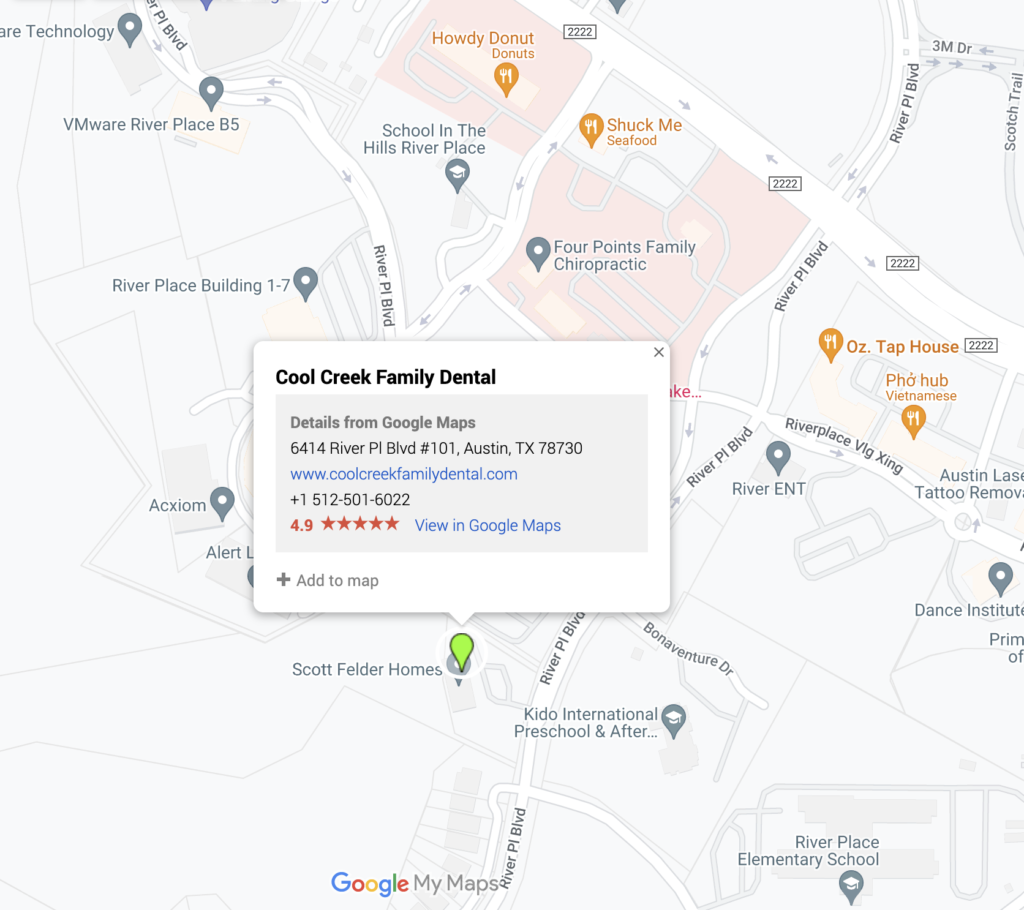
Cool Creek Family Dental sees patients across Austin, including Steiner Ranch, River Place, Four Points, and Lakeway, with same-week appointments for new patients. Request an appointment online or call us at (512) 501-6022, and we’ll get you in.