Most people who grind their teeth have no idea they’re doing it. It happens in their sleep, so the first clue is usually something indirect: a partner who mentions the sound, a jaw that’s tight in the morning, or a dentist who spots the wear during a checkup. By the time it’s obvious, it’s often been going on for a while.
The clinical name is bruxism, and it’s more common than you’d think. It’s also one of those problems that’s easy to ignore right up until it starts costing you, either in worn-down teeth, cracked fillings, or chronic jaw pain. The earlier you catch it, the cheaper and simpler the fix.
What Bruxism Actually Is
Bruxism is the habit of clenching or grinding your teeth, usually without meaning to. It comes in two flavors. Awake bruxism is the clenching you do during the day, often when you’re concentrating or stressed. Sleep bruxism happens at night and tends to be more forceful, because the protective reflexes that stop you from biting down too hard are dialed back while you sleep.
That nighttime force is the issue. People can generate far more pressure grinding in their sleep than they ever would chewing, and they do it for minutes at a time, night after night. Teeth are tough, but they aren’t built for that.
The Signs to Watch For
Since you can’t catch yourself grinding while you’re asleep, you have to read the evidence. These are the common tells.
- A sore jaw or face in the morning. Tightness, aching, or fatigue in the jaw muscles when you wake up is one of the clearest signs.
- Headaches that start at the temples. A dull headache around the temples first thing in the morning often traces back to nighttime clenching.
- Teeth that look worn or flattened. Grinding wears the biting surfaces down over time, leaving teeth shorter, flatter, or chipped at the edges.
- Gum recession and enamel abrasions. Grinding can push gums into recession and wear notched abrasions into the enamel near the gumline, a loss of tooth enamel your dentist can spot during an exam.
- Increased tooth sensitivity. As grinding wears through enamel, teeth can get sensitive to hot and cold. If you’ve noticed new sensitivity, our guide on why teeth get sensitive covers how the two connect.
- Clicking or tightness in the jaw. Grinding strains the jaw joint, which can lead to clicking, popping, or a jaw that feels like it locks up.
- A partner who hears it. The grinding sound at night is sometimes the first thing anyone notices.
- Indentations on the tongue or cheek. Marks where the tissue presses against teeth can point to clenching.
You don’t need all of these. One or two showing up consistently is enough reason to get checked.
Why It’s Worth Taking Seriously
Bruxism doesn’t stay a minor annoyance if it’s left alone. The grinding force wears enamel down, and once enamel is gone it doesn’t grow back. Over time that leads to sensitivity, cracked or chipped teeth, broken fillings and crowns, and in worse cases, teeth that loosen or need significant restoration.
Then there’s the jaw. Constant strain on the jaw joint can develop into a TMJ disorder, with pain, clicking, and limited movement that’s a lot harder to treat than a simple worn tooth. The Mayo Clinic notes that severe bruxism can lead to damaged teeth, jaw disorders, and chronic headaches. None of that is meant to alarm you, just to make the case that this is a problem worth getting ahead of rather than waiting out.
What Causes It
Bruxism rarely has a single cause, but a few factors come up again and again. Stress and anxiety are the big ones, especially for awake clenching, and it doesn’t take a crisis: ordinary everyday stress from work, family, and packed schedules is enough to show up in your jaw. Sleep disorders, particularly sleep apnea, are strongly linked to nighttime grinding. A bite that doesn’t line up well can contribute. So can caffeine, alcohol, and certain medications. Because the causes vary, the right fix depends on what’s actually driving it, which is why a real evaluation beats guessing.
What Can Actually Be Done
The good news is that bruxism is very manageable once you know it’s happening.
The most common and effective tool is a custom night guard. It’s a fitted piece you wear while you sleep that absorbs the grinding force and protects your teeth from wearing against each other. A custom guard made from an impression of your teeth fits better and lasts longer than the boil-and-bite versions from a drugstore, which often don’t fit well enough to wear consistently.
Beyond the guard, addressing the cause matters. If stress is the driver, managing it helps. If sleep apnea is involved, treating that can resolve the grinding entirely. Cutting back on caffeine and alcohol, especially in the evening, can reduce it too. The point is that a guard protects your teeth while you work on what’s behind the habit.
Frequently Asked Questions
How do I know if I grind my teeth at night?
Most people don’t catch themselves. The tells are a sore jaw in the morning, headaches at the temples, worn or flattened teeth, new sensitivity, or a partner who hears it. A dentist can spot grinding wear during a routine exam.
Will a night guard stop the damage?
A custom night guard absorbs the grinding force and protects your teeth from wearing against each other. It doesn’t stop the grinding itself, but it prevents the damage while you address what’s causing it.
Are custom night guards better than drugstore ones?
Yes. A custom guard is made from an impression of your teeth, so it fits better, lasts longer, and is comfortable enough to actually wear every night. Boil-and-bite versions often fit poorly and end up abandoned in a drawer.
What causes teeth grinding?
Stress and anxiety are the biggest drivers, along with sleep disorders like sleep apnea, a misaligned bite, and caffeine or alcohol. Because the cause varies, the right fix depends on what’s actually behind it.
Get It Looked At Before It Costs You
If any of the signs above sound familiar, the worst thing to do is nothing. Worn enamel and cracked teeth are far more expensive and involved to fix than a night guard is to make.
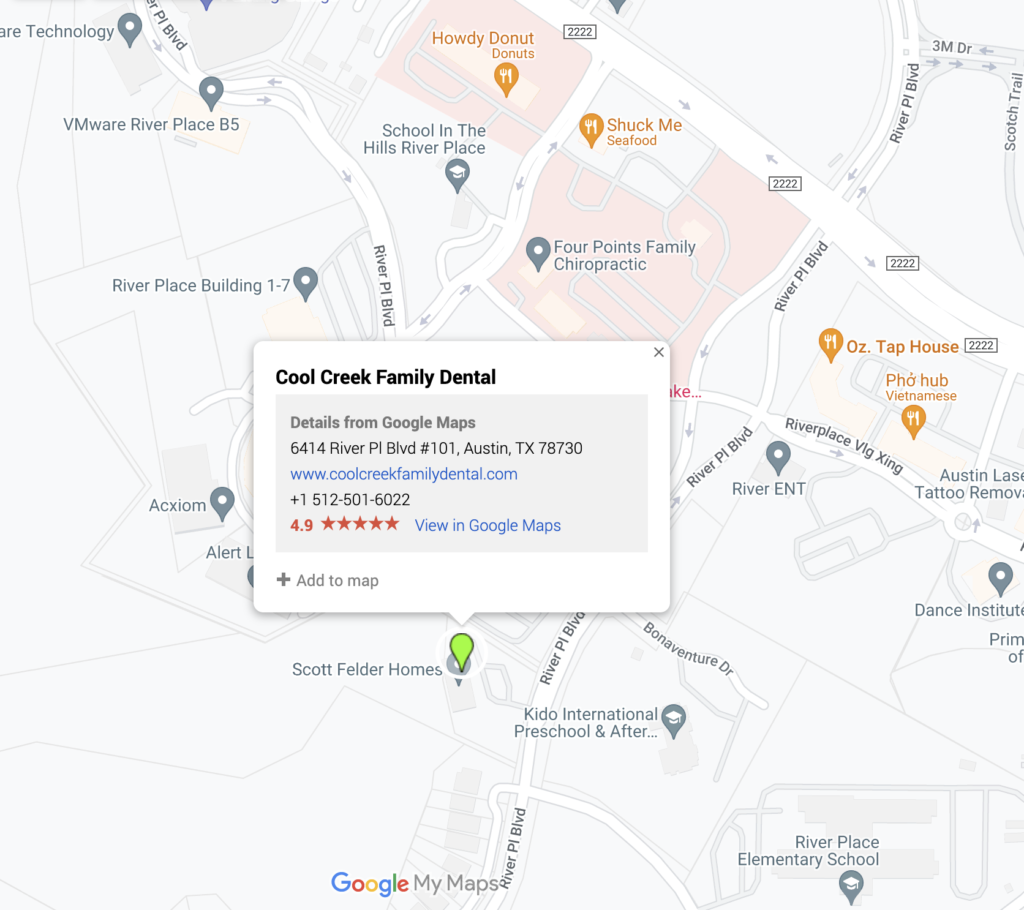
At Cool Creek Family Dental, Dr. Adam Kristoff and Dr. Nikita Mistry will check your teeth for grinding wear, look at your bite and jaw, and talk through what’s likely causing it and how to protect against it. Cool Creek serves patients across Austin, including Steiner Ranch, River Place, Four Points, and Lakeway, and welcomes new patients with same-week appointments. Request an appointment online or call us at (512) 501-6022.